Fix It or Replace It? A Practical Guide to Making the Right AC Call and Saving Big
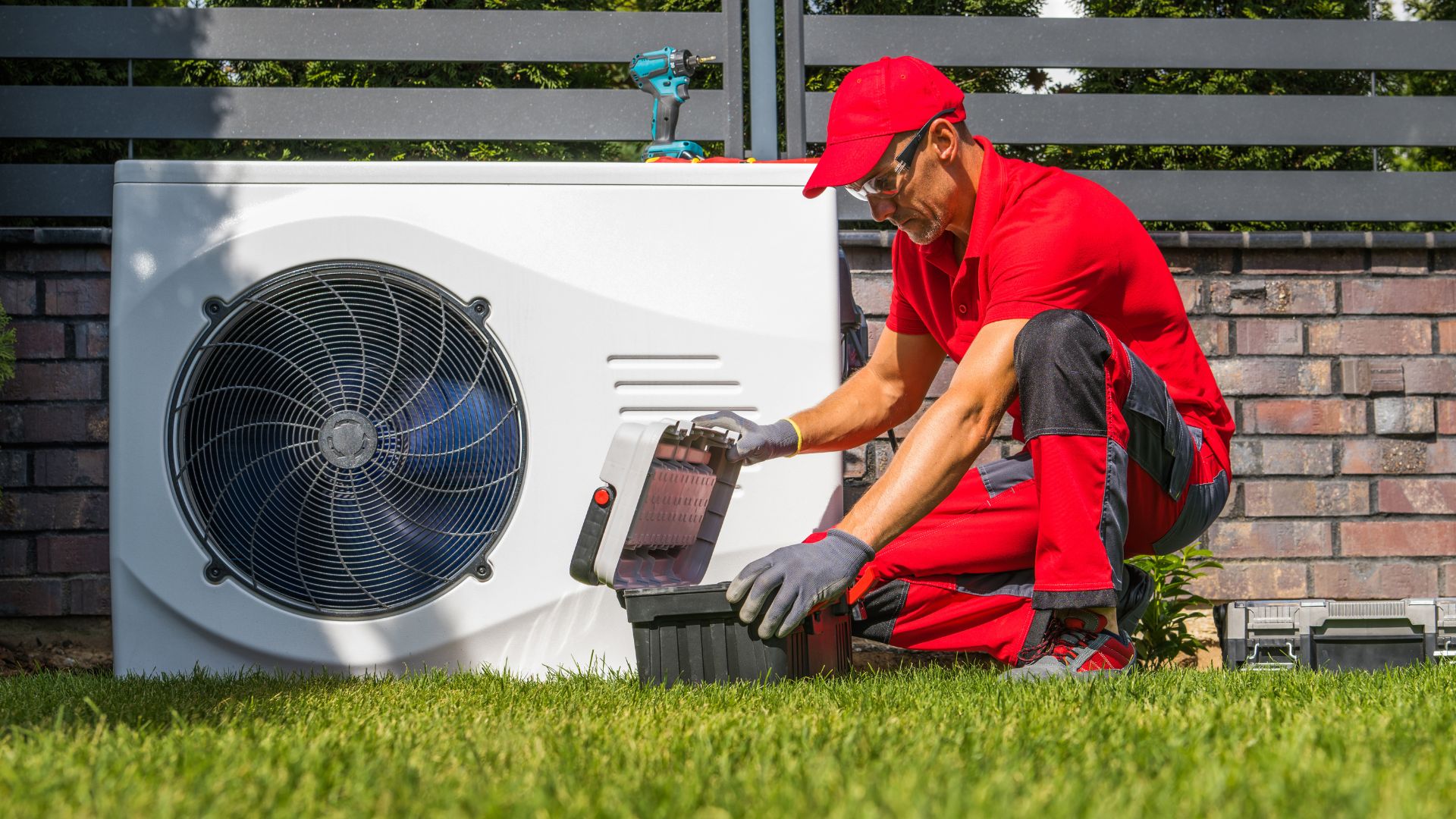
When your air conditioner starts giving you trouble, one question takes over almost immediately: do you repair it, or is it time for a full replacement? It's a decision that ripples into your comfort, your monthly bills, and your savings down the road. Get it wrong, and you could end up pouring money into a system that's already on its way out — or replacing something that a simple fix could have saved.At Camacho Air HVAC Contractor, helping homeowners navigate this exact decision is something we do every single day. This guide walks through the key factors that should shape your repair-or-replace decision, so you end up saving money and staying comfortable no matter the season.
Why This Decision Deserves Real Thought
Your AC system ranks among the most valuable — and costly — systems in your entire home. Whether you're staring at climbing utility bills or dealing with one breakdown after another, this isn't simply a question of what fixes the problem today. It's about what makes sense for your wallet over the next several years.A well-informed decision here can:• Help you sidestep repeat repair bills• Push your energy efficiency higher• Add years to your system's working life• Keep comfort levels steady throughout your home
How Old Is Your System, Really?
Age is usually the first thing worth looking at when your AC starts acting up.
What a Typical Lifespan Looks Like:
Most units run for 10 to 15 yearsSystems that get regular care can stretch to 20 yearsHere's a general guide based on age:Younger than 8 years: Repair is typically the smarter moveBetween 8 and 12 years: Weigh repair costs case by casePast 12 to 15 years: Replacement usually makes more financial senseAs systems age, they lose efficiency and start breaking down more often — which is exactly why replacement becomes the wiser long-term call.
Comparing Repair Costs Against a New Unit
A widely used guideline here is what's known as the "50% Rule."
The 50% Rule, Explained:
If fixing your AC would cost half or more of what a brand-new system runs, replacement is generally the better deal.
A Quick Example:
Repair estimate: $2,500New system price: $6,000Since that repair sits above 40–50% of replacement cost, going with a new unit likely makes more financial senseRepairs have a way of piling up over time, so it pays to look at the bigger financial picture rather than just the bill in front of you.
Energy Bills and Efficiency
Older AC units generally burn through more energy than newer models. If your utility bills keep creeping upward, your current system may simply be straining harder than it should.
What You Gain From a High-Efficiency Replacement:
• Smaller monthly energy bills• Stronger cooling output• A lighter environmental footprint• More reliable humidity controlNewer units with higher SEER ratings can meaningfully cut down your energy spending over the years that follow.
How Often Is It Breaking Down?
If you're dialing up your HVAC technician multiple times a year, that's usually a sign your system is approaching the end of its road.
Red Flags to Watch For:
• Repeated service calls• The same problems resurfacing• Failures during the hottest stretches of summer• Quick patches instead of lasting repairsIn these situations, replacing the unit often ends up cheaper in the long run than continuing to pour money into repairs.
Is It Actually Keeping You Comfortable?
A properly working AC should cool your entire home evenly. If it's falling short of that, an upgrade might be worth considering.
Signs Your System Is Underperforming:
• Rooms that cool unevenly• Airflow that feels weak• Cooling cycles that drag on• Trouble holding the temperature you've setThese symptoms are frequently tied to aging parts or a system that was never sized correctly — problems a new installation can usually solve.
Don't Overlook the Refrigerant Type
Older systems sometimes still run on R-22 refrigerant, which has been phased out under current environmental rules.
Why This Is a Big Deal:
• R-22 is pricey and increasingly hard to source• Refrigerant-related repairs can get expensive fast• Future repair options may become more limitedIf your system relies on outdated refrigerant, replacement is usually the more sensible path forward.
Situations Where Repair Makes More Sense
There are definitely scenarios where fixing your existing system is the right move.
Repair Tends to Make Sense When:
• The system is still fairly young• The problem is something small (think capacitor or thermostat issues)• The repair bill is manageable• The unit has a solid maintenance historySmaller fixes can bring performance right back without the expense of a brand-new system.
Situations Where Replacement Wins Out
Other times, swapping out your system is clearly the smarter financial move.
Replacement Tends to Make Sense When:
• Your unit has crossed the 12–15 year mark• You're dealing with frequent or costly repairs• Energy bills stay high month after month• Cooling performance has noticeably dropped• You want better efficiency and comfort going forwardYes, a new system asks for a bigger check upfront — but it can pay that back many times over through lower running costs and far fewer repair calls.
Looking at the Numbers Over Time
Here's a simplified side-by-side comparison:
Option 1: Keep Patching It Up
Repairs across 3 years: $3,000–$5,000Extra energy costs: roughly $1,000 per yearTotal spent over time: $6,000–$8,000
Option 2: Replace the System
New unit price: $6,000–$10,000Energy savings: $300–$800 per yearFewer breakdowns to deal withLooking at the full picture, replacement frequently wins out on both value and dependability.
Beyond the Dollars: Comfort and Environmental Perks
Upgrading your AC isn't just about the math — it genuinely improves day-to-day life at home.
What You Stand to Gain:
• Cleaner indoor air• More even temperatures throughout the home• A quieter system overall• A smaller carbon footprintModern units are engineered with both comfort and sustainability in mind.
Why a Professional Opinion Matters
Before you commit either way, getting your system checked out by a qualified HVAC technician is a smart step.A technician will typically:• Pinpoint the actual problem• Give you a repair cost estimate• Assess how efficiently your system is running• Point you toward the right solutionAt Camacho Air HVAC Contractor, we give homeowners straightforward, honest assessments so they can make the call that's right for their home and their budget.
Keeping Your System Running Longer
No matter which path you choose, regular upkeep plays a major role.
Maintenance Habits Worth Building:
• Swap out air filters on a regular schedule• Book an annual HVAC tune-up• Keep the outdoor unit free of debris• Stay alert to changes in performance• Tackle small issues before they growStaying on top of maintenance helps cut costs and stretches the life of your system.
Final Thoughts
Figuring out whether to repair or replace your AC doesn't need to feel overwhelming. Once you weigh factors like age, repair costs, efficiency, and overall performance, the right answer usually becomes clear — one that protects your wallet and your comfort.As a general rule:Repair when your system is newer and the issue is minorReplace when it's older, inefficient, or constantly breaking downMaking the smart call now can spare you unnecessary expenses and keep your home comfortably cool for years ahead.Not sure which direction makes sense for your situation? The team at Camacho Air HVAC Contractor is ready to help you figure it out.
Contact Information
Camacho Air HVAC Contractor📍 Address: 13901 Wallabi Ave, Sylmar, CA 91342📞 Phone: (844) 247-1992🌐 Website: https://camachoair.com/
California HVAC Rebates and Tax Credits in 2026: What's Live, What's Wrapping Up, and What's Coming Next
Upgrading your HVAC system in California has rarely made more financial sense. Thanks to a strong statewide push toward energy efficiency and electrification, homeowners now have access to a wide range of rebates, tax credits, and incentive programs aimed at bringing down the cost of a modern heating and cooling upgrade.The catch? With so many programs running simultaneously — and some shifting or expiring — figuring out exactly what you qualify for can get confusing fast. This guide breaks down California's HVAC rebates and tax credits for 2026: what's currently active, what might be wrapping up soon, and what new incentives are likely on the way.At Camacho Air HVAC Contractor, we help homeowners cut through the noise on these programs so they can maximize their savings while upgrading to high-efficiency equipment.
Why These Incentives Are Worth Paying Attention To
Replacing or upgrading an HVAC system is a serious investment. The good news is that rebates and tax credits can meaningfully lower upfront costs while improving your long-term return.
What These Programs Offer:
• Reduced installation expenses• A quicker payback period• Lower ongoing energy bills• A boost to your home's value• Encouragement for eco-friendly upgradesAcross California, most of these programs exist specifically to nudge homeowners toward cleaner, more efficient technology.
Federal Tax Credits Available in 2026
The federal government continues to back energy-efficiency upgrades through tax credit programs, several of which have been extended in recent years.
Energy Efficient Home Improvement Credit
Heading into 2026, homeowners may be eligible for:• Up to 30% of total installation costs covered• A yearly cap of $2,000 for heat pump installations• Up to $600 toward central AC systems• Credits covering energy-efficient furnaces and electrical upgrades
What Qualifies for the Credit:
• ENERGY STAR® certified equipment• High-efficiency air conditioning units• Heat pumps and ductless mini-split systems• Smart thermostatsThese credits are limited to primary residences but can meaningfully reduce what you owe at tax time.
State-Level Rebates in California
California runs several of its own incentive programs focused on cutting energy use and greenhouse gas emissions.
TECH Clean California Program
This is a statewide effort designed to push adoption of energy-efficient heat pumps and other modern HVAC equipment.
What You Might Receive:
• $1,000 to $3,000+ for qualifying heat pump installations• Extra incentives available for lower-income households• Bonus amounts for swapping out gas-powered systemsThis program leans heavily into electrification, which is part of why heat pumps have become such an appealing upgrade option right now.
Rebates Through Local Utility Companies
On top of state and federal programs, many local utility providers run their own rebate offerings for efficient HVAC upgrades.
Southern California Edison (SCE)
• Rebates for high-efficiency AC installations• Incentives tied to smart thermostat upgrades• Broader energy efficiency improvement programs
SoCalGas Offerings
• Rebates for upgrading heating equipment• Incentives for general system upgrades• Support for weatherization improvementsThese utility rebates can frequently be stacked with state and federal incentives, multiplying your total savings.
City and County-Level Incentives
Beyond the state and federal level, certain California cities and counties offer their own local incentive programs.
Some Examples You Might Find:
• Rebates aimed at duct sealing and insulation work• Incentives for swapping out aging HVAC equipment• Programs supporting a full transition to all-electric homesSince availability shifts depending on where you live, it's worth checking what's currently offered in your specific area before starting your project.
What Might Be Ending or Changing This Year
Some HVAC incentive programs run on limited funding or get revised periodically, which means they can change or disappear without much notice.
Changes Worth Keeping an Eye On:
• Rebate pools that run dry partway through the year• Shifts in who qualifies• Updated efficiency benchmarks• A gradual phase-out of incentives tied to gas-powered systemsBecause many of these programs depend on state or utility funding, they can close earlier than expected once the money runs out — so timing your upgrade matters.
What New Incentives Might Be on the Horizon
California's continued push toward clean energy and electrification means fresh incentive programs are likely on the way.
What Could Be Coming:
• Bigger rebates for fully electric HVAC systems• Expanded backing for heat pump adoption• More support targeted at lower-income households• Programs tied directly to carbon reduction goalsHomeowners who plan their upgrade timing thoughtfully may end up capturing even greater savings as these newer programs roll out.
Stacking Rebates for Maximum Savings
One of the biggest perks of upgrading your HVAC system in California right now is the ability to combine multiple incentive programs at once.
A Sample Savings Breakdown:
Federal tax credit: $2,000State-level rebate: $2,500Utility rebate: $1,000Combined total: $5,500+Stacking these programs together can dramatically cut down your overall installation cost.
What You'll Need to Qualify
While these incentives are broadly accessible, there are certain boxes you'll need to check.
Typical Requirements Include:
• Installation performed by a licensed HVAC contractor• Use of approved, energy-efficient equipment• Proper paperwork and receipts on file• Meeting income or property qualifications for select programsPartnering with a contractor who knows these programs inside and out makes it far easier to check every required box.
Picking Equipment That Qualifies
To get the most out of available incentives, it's important to choose equipment that's actually eligible for the rebates and credits you're targeting.
Strong Options to Consider:
• Heat pump systems• ENERGY STAR® certified central air conditioners• Ductless mini-split systems• Smart thermostatsThese systems don't just unlock incentive eligibility — they also deliver real energy savings over the long haul.
Why Professional Installation Is Non-Negotiable
A lot of rebate programs specifically require professional installation in order to qualify. Cutting corners on installation can lead to:• Lower system efficiency• Voided manufacturer warranties• Disqualification from rebate programsAt Camacho Air HVAC Contractor, we make sure every installation is done right and meets the requirements of whatever program you're applying for.
How the Rebate and Credit Application Process Works
Application steps vary depending on the specific program, but generally follow this pattern:• Picking equipment that meets program requirements• Having a licensed contractor complete the installation• Submitting the necessary documentation• Applying through the correct program's portalSome rebates get applied right at the point of purchase, while others arrive as a reimbursement after installation is complete.
Tips for Squeezing Out Maximum Savings
To get the most value from available programs, keep these tips in mind:• Time your upgrade during off-peak seasons• Go with high-efficiency equipment• Stack multiple rebate programs together• Partner with experienced HVAC professionals• Apply early, before program funding dries upA little advance planning goes a long way toward capturing every dollar of savings available to you.
Why Homeowners Keep Choosing Camacho Air HVAC Contractor
Sorting through HVAC rebates and tax credits can feel like a maze, but the right contractor makes the entire process far less stressful.At Camacho Air HVAC Contractor, we help homeowners:• Identify which rebate programs they qualify for• Choose equipment that meets eligibility requirements• Ensure installation is done correctly• Capture the maximum savings available to themOur focus is on delivering cost-effective solutions that genuinely improve comfort and energy efficiency.AC Installation Sherman Oaks
AC Installation Chatsworth
AC Installation San Fernando
AC Installation Woodland Hills
AC Installation Canoga Park
AC Installation North Hills
HVAC Installation in Agoura HillsHVAC Installation AltadenaHVAC Installation BurbankHVAC Installation ChatsworthHVAC Installation GlendaleHVAC Installation Los AngelesHVAC Installation North Hollywood
Final Thoughts
California homeowners currently have access to some of the most generous HVAC rebates and tax credits found anywhere in the country. Taking advantage of these programs in 2026 can substantially lower the cost of upgrading your heating and cooling system.From federal credits to state and local rebates, there's no shortage of ways to save — especially when you combine multiple programs at once. That said, many of these incentives are time-limited or tied to funding caps, which makes acting sooner rather than later genuinely important.If an HVAC upgrade is on your radar, now is an excellent time to explore your options and lock in maximum savings.For expert guidance and dependable installation, the team at Camacho Air HVAC Contractor is ready to help.